January 5, 2017

Orthodontist Portage MI | 8 Ways to Combat Bad Breath

Orthodontist Portage

Halitosis, commonly known as bad breath, is commonly associated with certain foods. Garlic, onion, and cabbage can all cause a foul odor and taste for several hours after you’ve eaten them. This type of temporary halitosis is easily solved by avoiding the foods that cause it. However, in some cases bad breath is a chronic problem that simply changing your diet won’t solve.

Long-term bad breath is caused by the presence of bacteria in your mouth. These bacteria are most often found on the back of the tongue and thrive when your mouth is dry. Orthodontic appliances such as braces, aligners, retainers, and mouth guards may also harbor the bacteria that cause halitosis. There are a variety of ways you can help reduce or eliminate chronic bad breath. Some of these include:

Practice good oral hygiene.
Brush your teeth after you eat as often as possible and at least twice daily. Clean between your teeth using dental floss or another interdental (between teeth) cleaner at least once each day. Food particles between teeth will break down slowly and cause unpleasant odors and tastes.

Brush your tongue.
Even if you brush and floss your teeth as recommended, the bacteria causing your bad breath may remain on your tongue. Use a tongue scraper or toothbrush to gently scrape away any particles of food or bacteria every time you brush. For best results, place the scraper or brush as far back as you can manage without gagging. This will generally become easier over time.

Keep orthodontics clean.

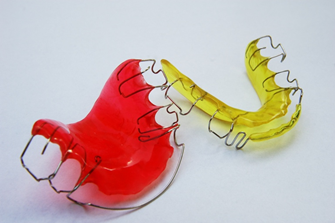
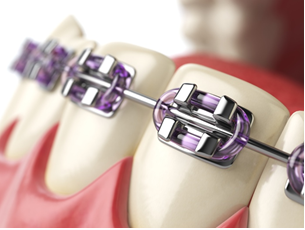
Removable devices such as mouth guards, aligners, or retainers, should be washed with an antibacterial cleaner daily. This will prevent build-up of residue and bacteria that can cause unpleasant tastes and odors. If you wear braces, carefully clean brackets and beneath wires each day to keep food particles from remaining after you eat.

Keep well-hydrated.
Dry mouths allow bacteria to thrive. By drinking plenty of water, you can help prevent the bacteria growth and reduce or stop bad breath.

Avoid bad breath triggers.

Onions, garlic, cabbage, coffee, and tobacco products are all known to cause bad breath.

Chew sugarless gum.

By chewing sugarless gum, you increase saliva production and keep your mouth moist. This helps slow or prevent bacteria growth, minimizing chances of bad breath.

Improve your diet.

Crunchy fruits and vegetables, yogurt, and foods rich in vitamins C and D all work to prevent the growth of bacteria, keep your mouth cleaner, and increase saliva flow.

See your dentist.
Follow your regular schedule of dental hygiene appointments and exams. If you have tried the tips above without improvement, make an appointment for an exam to see if there may be an underlying condition that requires treatment. Treat any oral illnesses, such as decayed teeth, periodontal (gum) disease, or infection.

For more information about halitosis with orthodontic treatment, contact our office.

Orthodontist in Portage | Braces and Swollen Gums

Orthodontist in Portage MI

Braces are a safe and effective way to straighten misaligned teeth at any age. Orthodontic treatment can have a positive impact on every aspect of your oral health. However, there are possible complications that can occur during treatment. Gum irritation is one of the most common issues faced by wearers of braces. If your gums are red, sore, or swollen, it is important to determine the root cause and appropriate solution as soon as possible.

Cleaning your teeth thoroughly can be challenging with braces. However, plaque build-up can cause gingivitis over time, leading to red, swollen, bleeding gums. Hormone changes can speed the progress of gum disease in children and teens, as well. When this occurs, teeth and gums can be even more difficult to keep clean, which can further escalate the issue.

In some cases, your gums may be sensitive to the presence of the braces themselves. Hyperplasia or hypertrophy can cause gums to grow larger in reaction to the metal brackets and wires. When this happens, gums will most often return to normal once orthodontic treatment has been completed and your braces are removed.

The pressure of chewing firm foods may also cause gums to become more irritated and painful. Avoid hard and crunchy foods, such as raw vegetables and certain fruits and snacks. Habits such as chewing a pen, biting nails or lip, or pressing your tongue against your teeth can all add to your discomfort, as well.

To counter the effects of swollen, inflamed gums, try these basic tips:

  • Use an electric toothbrush with an orthodontic head for more thorough cleaning.
  • Try a water flosser to remove debris and bacteria between teeth.
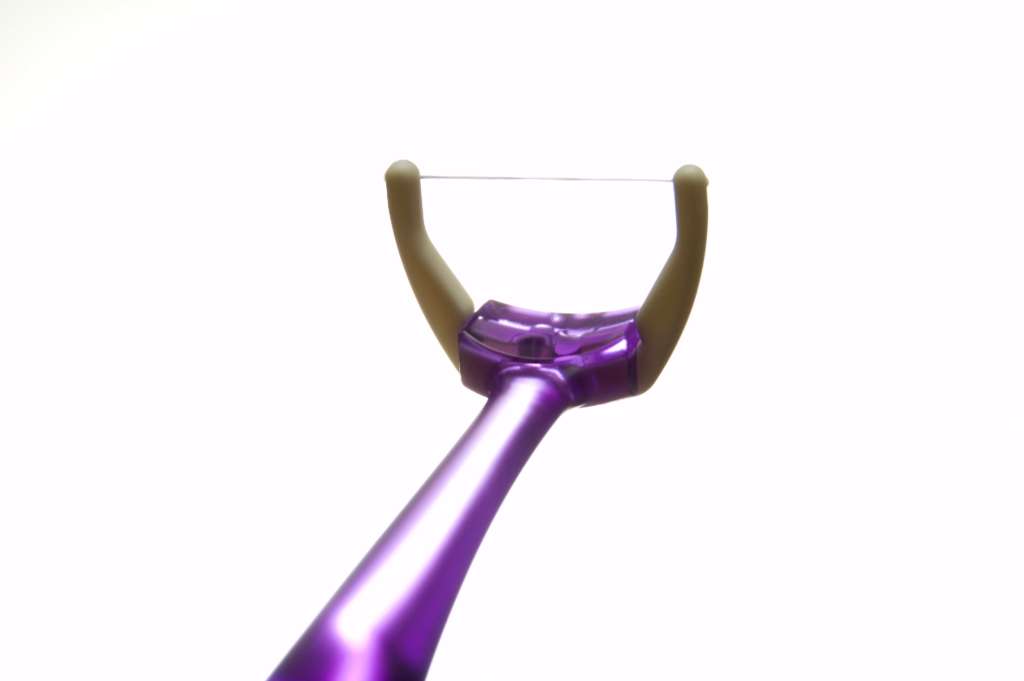
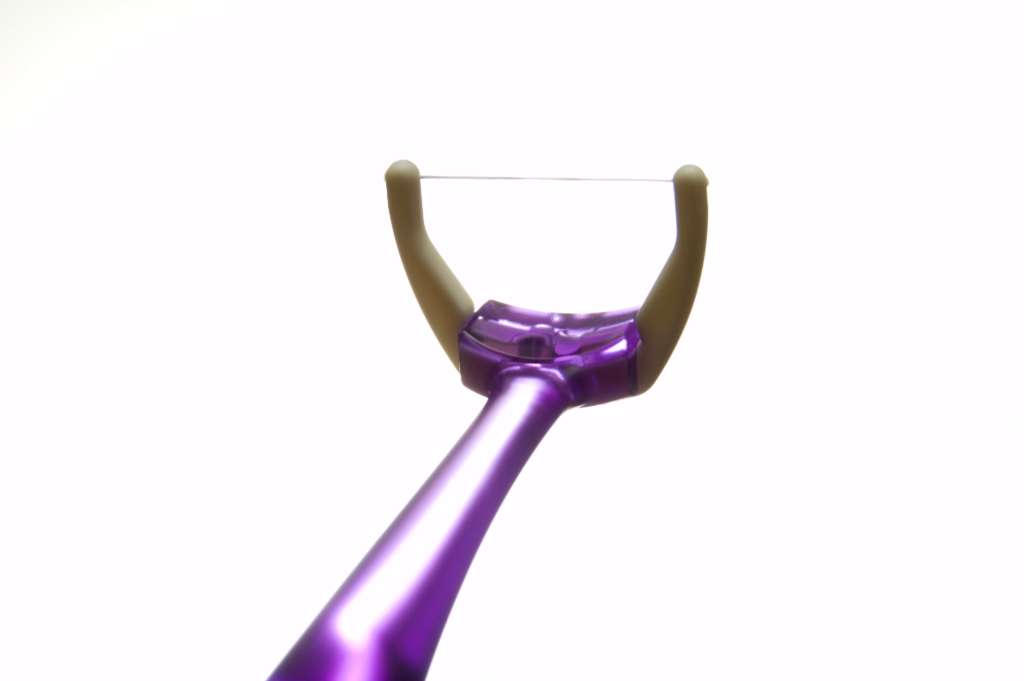
  • Floss threader and interproximal brushes can clean under and around wires more effectively than a toothbrush.
  • Ask if a mouthwash containing antimicrobial agent may be useful.
  • Rinse your mouth with warm water containing a pinch of salt to soothe inflammation.
  • Avoid alcohol and tobacco, which increase irritation.

If gum irritation remains, contact our office for a consultation. We will check to see whether there may be another cause for your inflammation and will advise you on the next steps.

Portage Orthodontist | Warning! DIY Braces Pose a Real Danger

Portage MI Orthodontist

For some, the cost of braces can be a deterrent. Many might find it an appealing option to consider making their own set of braces. However, this is a frightening trend that can lead to more damage to your teeth and your wallet.

Do It Yourself Braces
You may have seen videos online filled with various alternatives to braces. Rubber bands are a common method. However, this does not provide you with a safe, long-lasting solution for fixing misaligned teeth. Before taking matters into your own hands, schedule an appointment with our office to learn about potential solutions.

What’s the Harm?
Missing teeth, bleeding gums, and serious infections are not the results you hope to see from braces. These are very real risks to those who make their own braces. Blackened, infected gums are not an attractive look, and serious pain is not going to be worth the small savings.

Moving your teeth can cause the blood supply to be blocked, leading to discolored and infected gums. Prolonged damage can even lead to root damage and teeth falling out.

DIY braces can also be a very temporary solution. Your teeth can shift back if you move them too quickly. Not only will it cost you money to make your own braces, but the amount of damage you would do to your teeth will require further professional help, likely in the form of more expensive fixes.

A Reason for the Orthodontist
The American Association of Orthodontists (AAO) states the practice of moving teeth is a healthcare procedure that requires the professional experience of an orthodontist. Morris N. Poole, DDS, president of the AAO, said “Any time a dental procedure is undertaken by an untrained individual there is a substantial risk for irreparable damage.”

Our office is staffed with a knowledgeable, experienced dental team who work on improving patients’ smiles every day. We pride ourselves on working with you to reach affordable solutions in a safe, professional environment.

Leave it to the Pros
DIY braces pose a significant danger, especially to children and young adults who may have seen examples online. The pain, irreparable damage, and costly fixes are not worth it. When it comes to dental care, leave it to the professionals.

For more information about braces or to schedule an appointment, please contact our office.

Resources: American Association of Orthodontists
https://www1.mylifemysmile.org/cms/wp-content/uploads/2015/01/Buyer-Beware-Press-Release.pdf

June 16, 2016

First blog post

This is your very first post. Click the Edit link to modify or delete it, or start a new post. If you like, use this post to tell readers why you started this blog and what you plan to do with it.

post