
If you have crooked teeth, you may already be looking into orthodontic solutions to improve your smile. However, did you know straightening your teeth can have benefits beyond increased confidence?
Many people may not realize it, but your oral health plays a large role in your body’s overall health. Poor oral health can put you at a much higher risk of stroke, heart disease, illness, miscarriages, and more. Crooked teeth can impede your ability to take proper care of your mouth, putting you at an increased risk of any number of ailments. Below are some of the most common issues exacerbated by crooked teeth. If you are experiencing any of these issues, contact our office today to see how orthodontic care can offer relief.
Gum Disease
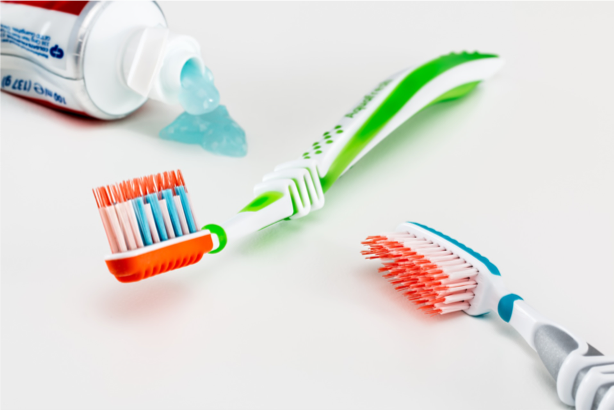
Crooked teeth can often be much harder to properly clean than straight teeth. Without regular brushing and flossing, your chance of developing gum disease increases significantly. An untreated buildup of plaque can lead to gingivitis and periodontal disease, the leading cause of tooth loss among adults. Swollen and irritated gums can open the door for bacteria to enter your blood stream and trigger inflammation elsewhere in your body and increase your risk of stroke, heart disease, and more.
It’s important for everyone to maintain a proper oral care routine and visit their dentist at least twice annually for cleanings and examinations. However, even that may not be enough if your teeth are too crooked to properly clean. We offer a variety of orthodontic solutions to help correct misaligned teeth and make it easier for you to take care of your smile. Visit our office today to learn more!
TMD/TMJ Pain
Crooked teeth or an improper bite may increase your risk of developing temporomandibular joint disorder (TMD). While the most common cause of TMD is the clenching and grinding of teeth, a misaligned bite may be a contributing factor. TMD can cause soreness and discomfort in the jaw, clicking sounds while chewing, headaches, and other facial pain.
If you have been experiencing jaw pain, an evaluation may help you determine if treatment for TMD is necessary. Correcting a misaligned bite can go a long way in alleviating some of the discomfort caused by TMD.
Enamel Erosion
Enamel is the thin, tough shell coating the outside of your teeth that protects them from damage and wear. Though a variety of environmental factors can lead to enamel loss, teeth grinding is another common cause. When your teeth are crooked and your bite does not properly align, the simple acts of speaking and chewing can cause your teeth to grind against each other. When left untreated, this can contribute a degradation in your enamel.
A loss in enamel can lead to tooth discoloration, increased pain and sensitivity, and cracks and chips forming in your teeth. There is a lot you can do at home to protect your enamel, including drinking plenty of water, avoiding excessively acidic or sugary foods, and brushing and flossing regularly. However, your crooked teeth may limit your ability to prevent enamel erosion on your own.
Contact our office today to see if orthodontic treatment could be the solution you need.
Sage Orthodontics of Portage Phone: (296) 327-0760 3275 Cooley Court, Suite #155 Portage, MI 49024
 When most people consider the benefits of getting braces, they tend to focus on cosmetic improvements. A better smile is an obvious benefit to orthodontic treatment, but there are plenty more improvements than what you’ll see on the surface.
 Did you know your oral health can impact your overall health? We’ve compiled a list of 5 tidbits about your teeth and oral health.